-
DANGOTE FUEL CONTROVERSY: WHY SOME NIGERIANS BELIEVE FUEL IS CHEAPER ABROAD
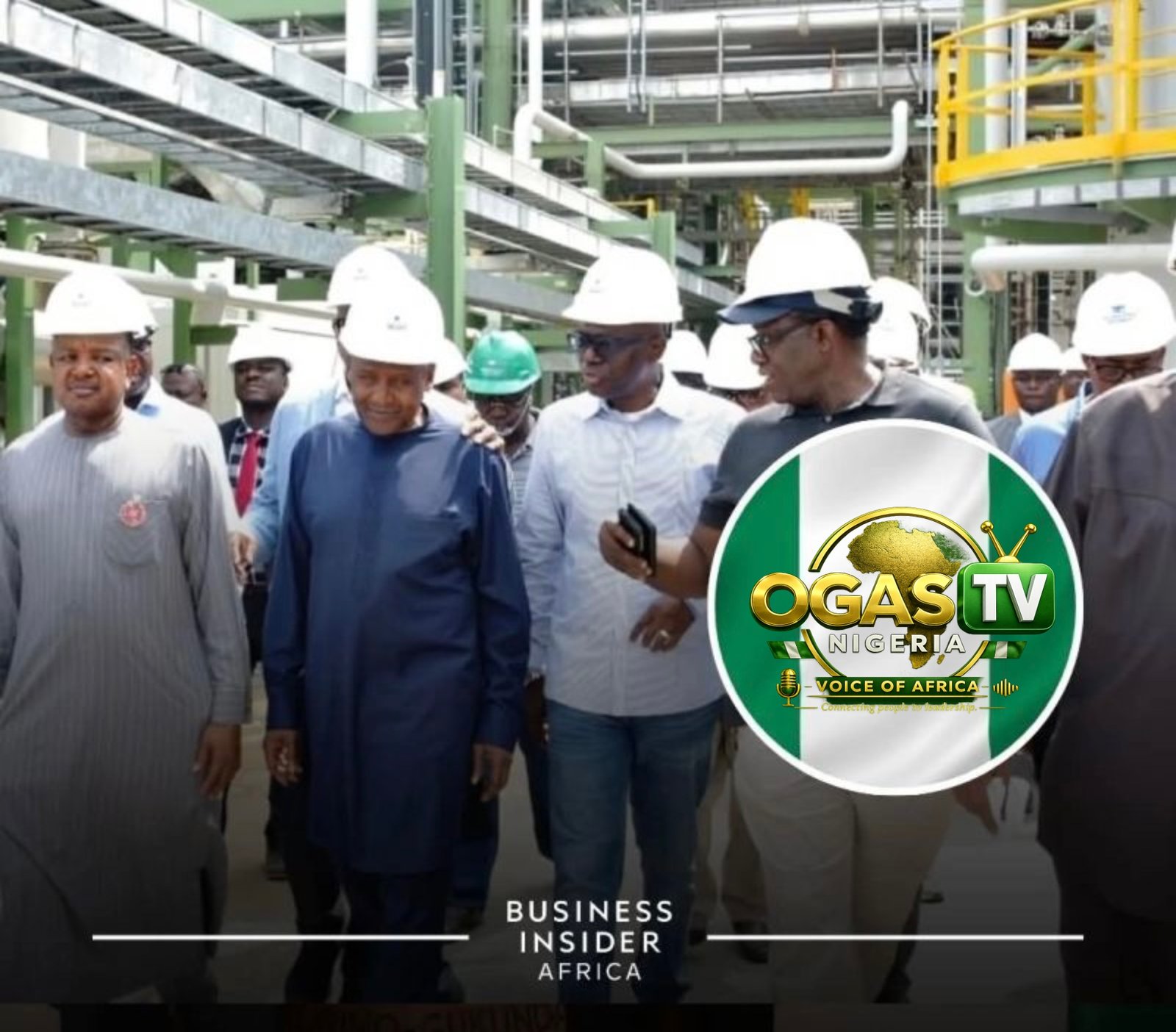
Understanding the Debate Behind Fuel Prices in Nigeria
By OgasTv Nigeria
Few issues affect Nigerians more directly than the price of fuel.
Whether it is transportation, food, electricity generation, manufacturing, or small businesses, fuel prices influence almost every aspect of daily life. It is therefore not surprising that recent discussions surrounding the pricing of fuel from the Dangote Refinery have generated significant public interest.
A growing claim circulating across social media suggests that fuel refined in Nigeria is being sold cheaper to some African countries than to Nigerians at home. Some commentators have even argued that marketers could buy fuel abroad and import it back into Nigeria while still making a profit.
But is the issue really that simple?
Why Fuel Prices Differ Between Countries
The first thing Nigerians should understand is that the price of fuel at the refinery is not necessarily the same as the price consumers pay at filling stations.
Several factors influence the final pump price:
• Transportation and logistics costs
• Storage and depot charges
• Exchange rate fluctuations
• Taxes and levies
• Regulatory fees
• Marketers’ margins
• Distribution infrastructure
As a result, fuel originating from the same refinery can end up being sold at different prices in different countries.
The Dangote Refinery Factor
The Dangote Refinery represents one of the largest industrial investments in Africa’s history and was established to reduce Nigeria’s dependence on imported petroleum products.
For many Nigerians, local refining created an expectation that fuel prices would immediately become significantly cheaper.
However, refining is only one part of the pricing chain.
Crude oil costs, exchange rates, transportation expenses, financing costs, and market dynamics continue to influence the final price paid by consumers.
Could Marketers Really Buy Fuel Abroad and Bring It Back?
In theory, traders always seek opportunities to buy products at lower prices and sell them at higher prices.
However, in practice, importing fuel involves:
• Shipping costs
• Insurance
• Port charges
• Regulatory compliance
• Financing costs
• Import procedures
These additional expenses often reduce or eliminate any perceived price advantage.
The Bigger Question Nigerians Are Asking
Beyond the technical debate, many citizens are asking a more practical question:
“If Nigeria produces crude oil and now has one of the world’s largest refineries, when will ordinary Nigerians begin to feel the full economic benefits?”
This is a legitimate question.
Citizens expect that:
✅ Local refining should improve supply.
✅ Competition should increase efficiency.
✅ Reduced import dependence should strengthen the economy.
✅ Long-term benefits should eventually translate into lower costs and greater economic stability.
What Government Must Focus On
While fuel prices remain a concern, experts argue that sustainable solutions should also focus on:
• Expanding local refining capacity.
• Improving transportation infrastructure.
• Strengthening the naira.
• Increasing domestic production.
• Supporting industries that create jobs.
• Reducing logistics costs across the economy.
• Nigeria should have more than one refinery.
The ultimate goal is not merely cheaper fuel, but a stronger economy that improves the purchasing power and quality of life of Nigerians.
OgasTv Observation
The Dangote Refinery is a major national asset and has the potential to transform Nigeria’s energy sector.
However, citizens will judge success not by investment figures or production capacity alone, but by the impact on their daily lives.
The key question remains:
Will local refining eventually lead to lower energy costs, increased industrial growth, and a better standard of living for ordinary Nigerians?
That is the conversation policymakers, industry leaders, and citizens must continue to have.
OgasTv Economic Question
Do you believe government should focus primarily on:
A. Bringing down fuel prices?
B. Creating more jobs and economic opportunities?
C. Strengthening the naira and reducing inflation?
D. Pursuing all three simultaneously?
Share your thoughts.
OGASTV NIGERIA 🇳🇬
Connecting People to Leadership.
Turning Information into Understanding.
#OgasTvNigeria #DangoteRefinery #FuelPrices #NigeriaEconomy #EconomicDevelopment #EnergySector #PetroleumIndustry #FuelSubsidy #CostOfLiving #MadeInNigeria #EconomicGrowth #BusinessNews #AfricaEconomy