Nigeria is pushing to convert decades of peacekeeping goodwill into concrete national benefit, backed by a rare seat at the table: a Nigerian diplomat now chairs the United Nations committee that controls how the world body spends its money.
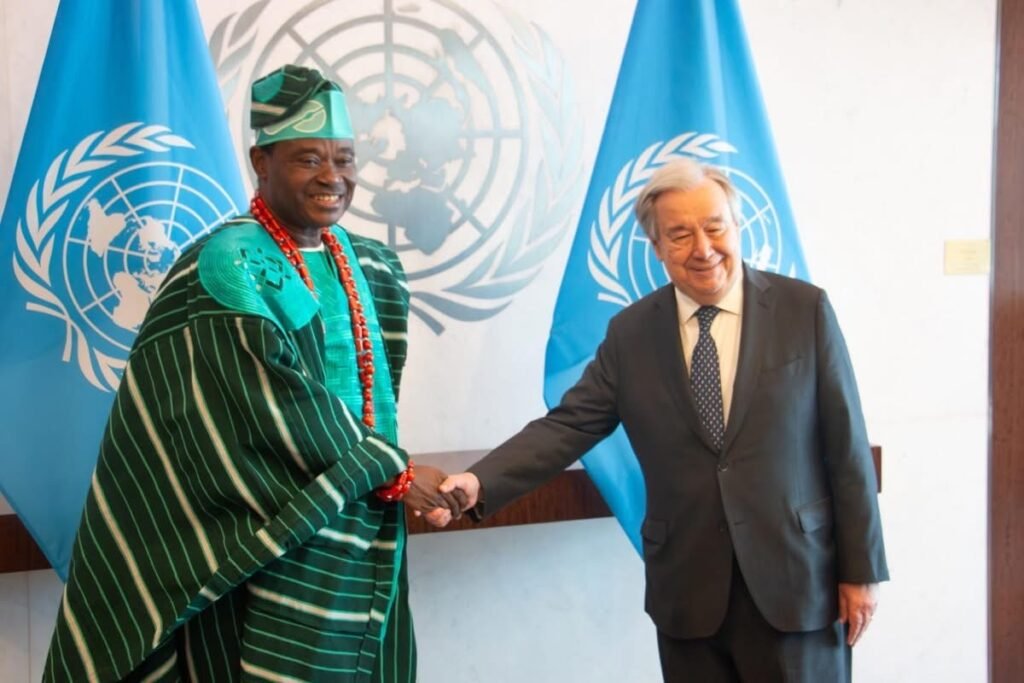
Jimoh Ibrahim’s election to the Fifth Committee
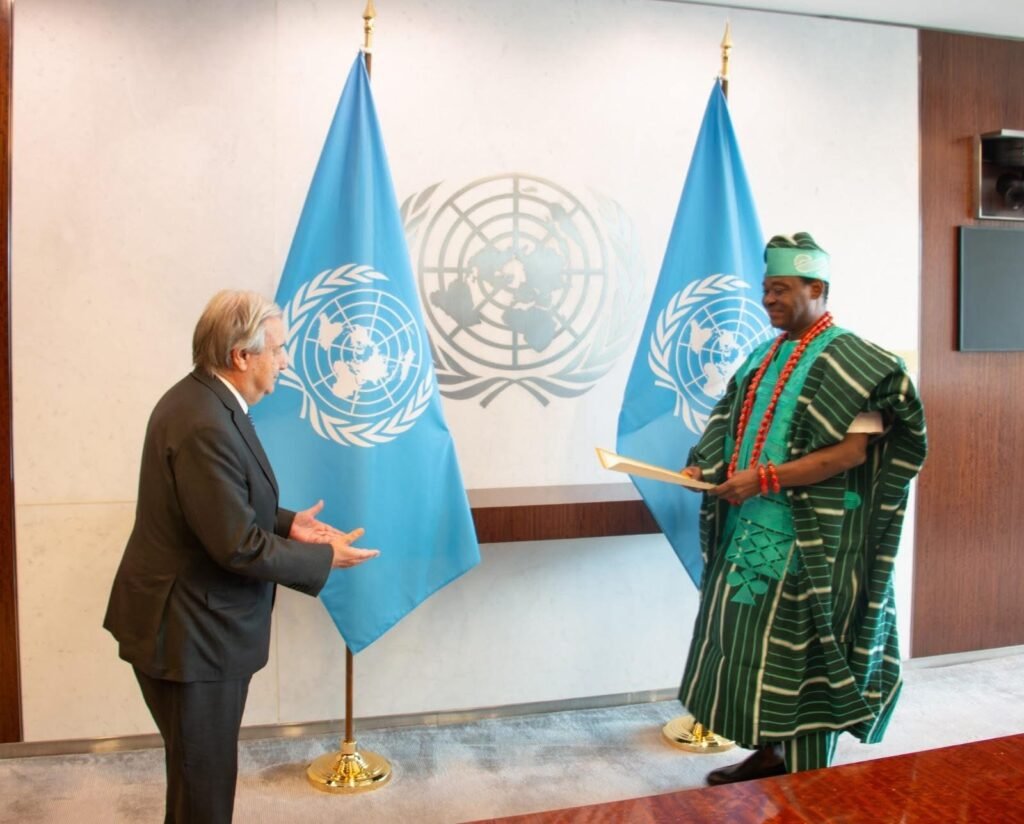
On 2 June 2026, Ambassador Jimoh Ibrahim, Nigeria’s Permanent Representative to the UN, was elected Chairman of the Fifth Committee of the UN General Assembly less than six weeks after presenting his credentials to Secretary-General António Guterres. The Fifth Committee is the UN’s administrative and budgetary body, responsible for the regular budget, peacekeeping financing, and internal oversight. As THISDAY’s profile of Ibrahim put it, “every peacekeeping operation, every administrative budget, every dollar the UN spends anywhere in the world flows through this committee.”
The timing is significant. Ibrahim takes the chair as the UN grapples with a budget shortfall exceeding $1.8 billion following cuts to foreign aid. In his acceptance speech, he acknowledged the scale of the task, saying the period “requires the United Nations to manage deficit financing arising from converging complexities that place significant burdens on revenue,” and called for “a prompt, critical, and innovative strategy… to create opportunities within this intricate environment.”
President Bola Tinubu congratulated Ibrahim on the appointment, describing it as validation of his experience “in public service, diplomacy, business leadership, and governance,” citing his earlier work on Nigeria’s Senate Committee on Budget and Appropriation.
Oluyede’s call for a strategic shift
The push for greater returns from peacekeeping isn’t limited to New York. In April 2026, Nigeria’s Chief of Defence Staff, General Olufemi Oluyede, used the Defence Headquarters’ first-ever Peacekeeping Operations Seminar in Abuja to call for a change in approach. His remarks, delivered on his behalf by Rear Admiral Abolade Ogunleye, argued that Nigeria’s long record as a troop-contributing nation has not translated into proportionate influence.
“While these contributions have enhanced our international profile, the strategic returns, particularly in diplomatic influence, institutional positioning and national interest outcomes have not been commensurate,” Oluyede said.
The seminar’s theme “From Troop Contribution to Strategic Influence: Optimising Peace Support Operations for National Interests” captured the shift in thinking: from routine participation toward treating peacekeeping as, in Oluyede’s words, “an instrument of national power and diplomacy.”
A history that outweighs current standing
The scale of Nigeria’s historical commitment is well documented. Since its first deployment to the Congo in 1960, Nigeria has contributed to 41 peacekeeping missions and deployed more than 200,000 troops worldwide, according to figures cited by successive Chiefs of Defence Staff. Yet Nigeria’s current standing among troop-contributing nations — around 15th globally and 8th in Africa — sits well below that historical weight, a gap that helps explain the renewed push described by both Ibrahim and Oluyede.
What comes next
Nigeria now has genuine institutional leverage: a chair’s gavel at the Fifth Committee and a defence establishment actively reviewing how to extract more value from its commitments. The Abuja seminar was billed as a starting point, expected to generate what organisers called “actionable policy recommendations” to guide future strategy.
What hasn’t yet emerged, in verified reporting, is a specific new funding formula, reimbursement increase, or budget outcome tied to Nigeria’s position — this is, for now, a story of strategic positioning rather than a confirmed financial windfall. Any change to Nigeria’s actual share of peacekeeping funds would depend on negotiations within the Fifth Committee itself, where Ibrahim, as chair, is positioned to shape — but not unilaterally decide — that outcome.
FAQs
Who chairs the UN Fifth Committee, and why does it matter for Nigeria?
Ambassador Jimoh Ibrahim, Nigeria’s Permanent Representative to the UN, was elected chair in June 2026. The role gives Nigeria direct influence over negotiations on UN budget priorities, including peacekeeping financing.
What has Nigeria’s defence chief said about peacekeeping returns?
General Olufemi Oluyede has said Nigeria’s peacekeeping contributions haven’t delivered commensurate diplomatic or strategic returns, and has called for treating peacekeeping as a tool of national interest rather than routine participation.
How many peacekeeping missions has Nigeria contributed to?
Nigeria has contributed to 41 peacekeeping missions and deployed more than 200,000 troops since 1960.
Does the Fifth Committee chairmanship mean Nigeria will get more money?
Not automatically. The chair shapes and steers negotiations among all 193 member states but doesn’t unilaterally set outcomes. No specific new funding arrangement for Nigeria has been confirmed yet.