 |
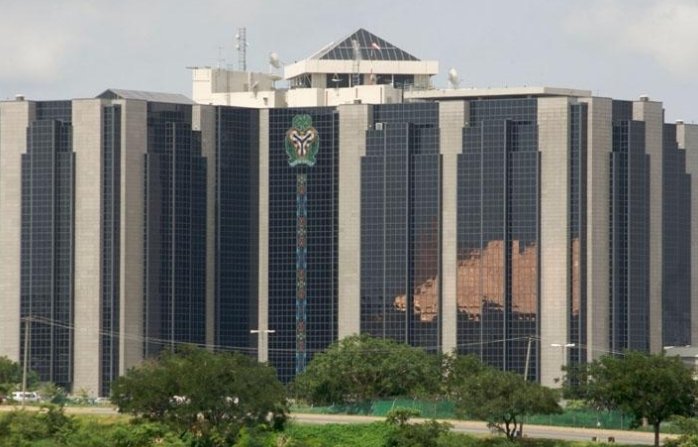
| CBN Nigeria |
Credit to the Nigerian government increased significantly by 65.6 per cent year-on-year to N39.6 trillion in April 2026, up from N23.9 trillion recorded in April 2025, according to the latest Money and Credit Statistics released by the Central Bank of Nigeria.
The sharp rise in government credit was largely driven by increased borrowing to finance the 2026 budget deficit.
Under the 2026 Appropriation Act, the Federal Government plans to borrow N29.2 trillion to bridge the gap between projected revenue of N68.32 trillion and total expenditure of N36.87 trillion.
An analysis by Vanguard further revealed that the Federal Government raised borrowing from domestic investors by 7.4 per cent in the first quarter of 2026, reaching N8.1 trillion compared to N7.5 trillion within the same period in 2025.
Private Sector Credit Rises
The CBN data also showed growth in lending to the private sector. Credit to the private sector increased by 3.25 per cent to N80.6 trillion in April 2026 from N78.06 trillion recorded in April 2025.
As a result, Nigeria’s net domestic credit rose by 17.8 per cent year-on-year to N120.2 trillion, compared to N102 trillion in the corresponding period last year.
Money Supply Expands
Nigeria’s broad money supply (M2) also recorded growth during the period under review. The figure rose by 4.8 per cent year-on-year to N124.98 trillion in April 2026 from N119.2 trillion in April 2025, reflecting stronger liquidity levels within the financial system.
Currency Outside Banks Drops by 12.2%
Despite the increase in money supply, currency held outside the banking system declined by 12.2 per cent to N5.08 trillion in April 2026 from N5.7 trillion recorded a year earlier.
The development suggests a growing adoption of banking channels and electronic payment systems across the country.
Demand Deposits and Quasi-Money Increase
Demand deposits, mainly current account balances, rose by 6.3 per cent to N38.7 trillion from N36.4 trillion during the review period.
Similarly, quasi-money increased by 3.8 per cent to N81.2 trillion in April 2026 from N78.2 trillion in April 2025. Quasi-money includes savings deposits, fixed-term deposits, treasury bills, and other money market instruments.
Narrow money, which consists of currency in circulation and current account deposits, also climbed by 7.09 per cent to N43.8 trillion from N40.9 trillion recorded in the same period last year.