Senegal’s National Assembly passed sweeping constitutional reforms on June 29, 2026, curbing presidential powers and expanding parliament’s authority. But President Faye has announced a national referendum rather than signing the bill into law — directly clashing with Speaker Sonko, who says the parliamentary vote is already final. The country is now at a constitutional crossroads.
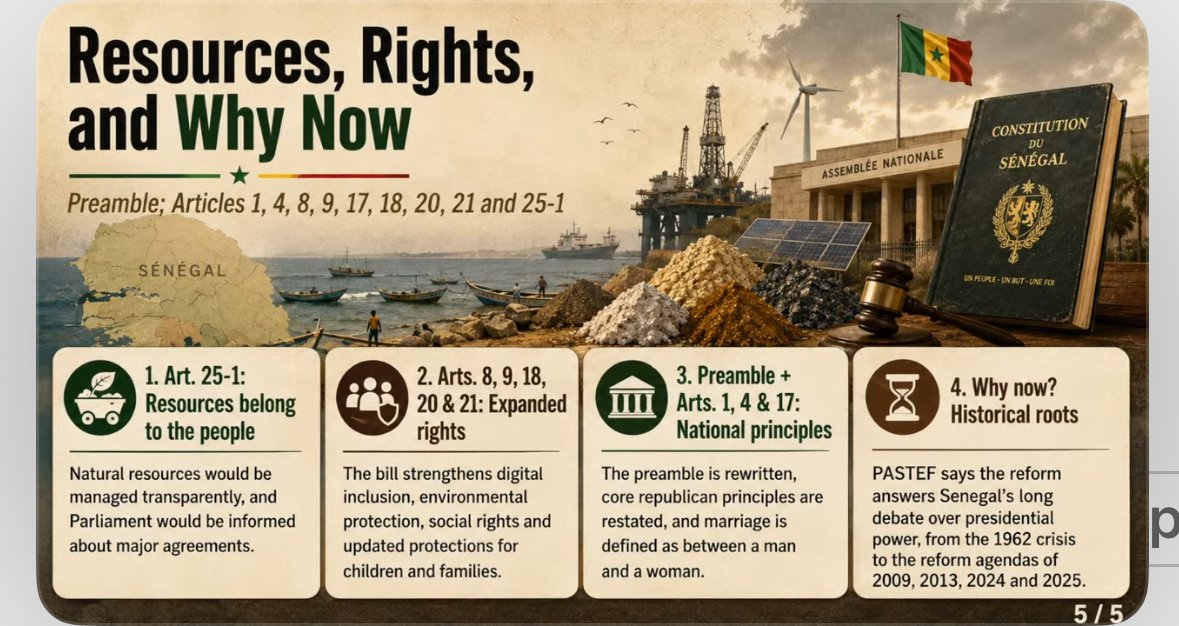
The Story On Monday, June 29, 2026, Senegal’s National Assembly voted overwhelmingly to adopt major constitutional reforms proposed by PASTEF the party of National Assembly Speaker Ousmane Sonko. Pastef holds 130 of 165 seats, giving the bill a comfortable supermajority.
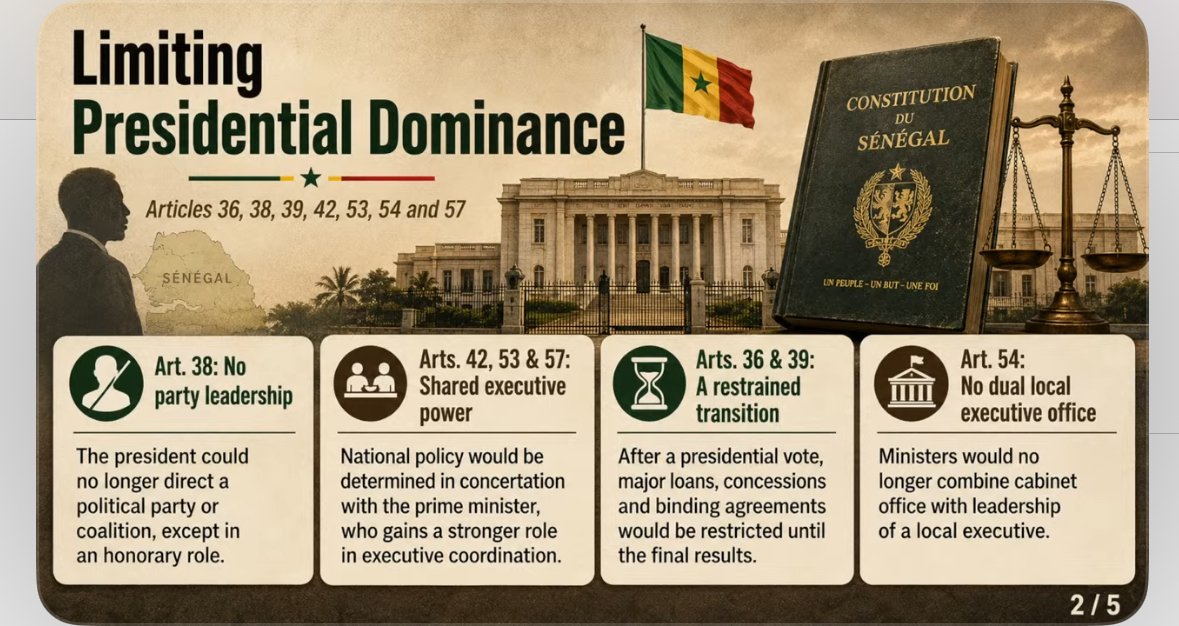
The reforms would: create a Constitutional Court to replace the current review system; bar the president from holding any party leadership position; expand parliament’s investigative powers; and strengthen the role of the prime minister at the expense of the executive.
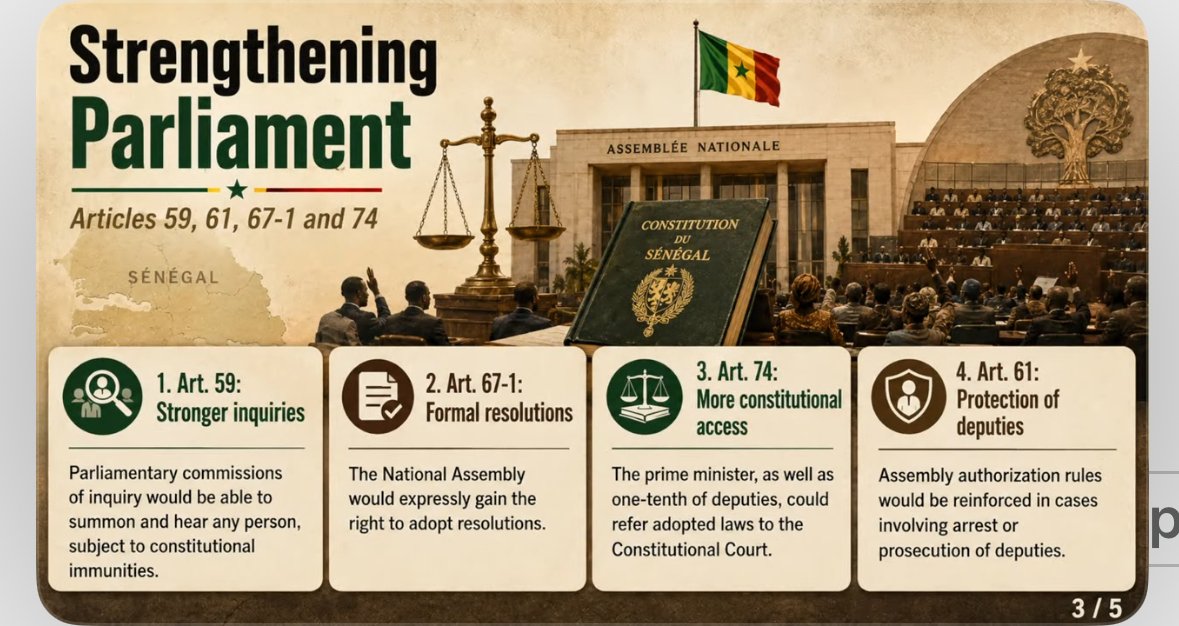
But the vote was anything but calm. The opposition boycotted proceedings, protesters outside chanted “Hands off my Constitution,” and police fired tear gas. Inside, Faye’s justice minister announced the president’s intention to put the reforms to a national referendum — before the vote even concluded.
Sonko rejected that framing. He argued that with a three-fifths supermajority secured, the reforms are constitutionally final and the president has no grounds to delay promulgation. The dispute now heads toward Senegal’s courts — and possibly to the streets.
Context: Faye fired Sonko as prime minister in May 2026. Sonko was then elected Speaker of the National Assembly. What began as an alliance that swept the 2024 elections has become an open power struggle inside Senegal’s government.
Why This Matters
Senegal’s youth led the 2024 revolution for accountability. These reforms decide whether that energy becomes policy or stalls in a power struggle between two former allies.
Institutional uncertainty slows investment. A prolonged constitutional crisis raises risk for Senegal’s growing economy, including its emerging oil and gas sector.
If the president holds a referendum, ordinary Senegalese will vote on who controls the nation’s highest offices — a rare democratic moment with real consequences.
Senegal has long been held up as West Africa’s democracy benchmark. How this crisis is resolved will shape narratives about democratic governance across the continent.
OgasTv Observation
The Faye–Sonko split is a cautionary tale about governance coalitions built on personality rather than institutions. Two men who shared a prison cell and a presidential dream are now locked in a battle over who controls Senegal’s constitution.
The reforms themselves are not unreasonable. Separating the presidency from party leadership, strengthening parliamentary oversight, and creating an independent constitutional court are standard features of mature democracies. The problem is the process — rushed, contested, and wrapped in personal grievance.
Whoever prevails legally, both Faye and Sonko risk losing the thing that brought them to power: the trust of ordinary Senegalese people who voted for a new kind of politics.
What Can Be Done?
- Constitutional Council referral — An independent review of whether Sonko’s three-fifths argument holds, or whether Faye has the right to call a referendum, is the cleanest legal path forward.
- Civil society mediation — Senegalese civic organizations and bar associations have historically played a stabilizing role. Now is the time for them to act.
- Pan-African observer engagement — ECOWAS and the African Union should monitor the situation before it escalates, not after.
- Transparent public communication — Both Faye and Sonko owe citizens a plain explanation of what the reforms actually change, not political spin.
- Peaceful referendum, if called — If citizens vote on these reforms, that is democracy working — provided the process is free, fair, and well-funded in a period of fiscal restraint.
Citizen Action
As Africans watching Senegal, here is what each of us can do:
Community Question
“If you were a Senegalese citizen, would you vote YES or NO in a referendum on reforms that limit presidential power — and why?”
Share your view in the comments. OgasTv connects people to leadership.
Fact Check Status
References
- Associated Press (June 29, 2026) — Senegalese lawmakers pass divisive reform curbing presidential powers
- France 24 (June 29, 2026) — Senegal president Faye to call referendum on constitutional reform
- Vanguard Nigeria (June 29, 2026) — Senegal MPs back constitutional reform reducing president’s power
- Africanews (June 29, 2026) — Senegal MPs back sweeping constitutional reform
- Ecofin Agency — What the proposed changes mean for Senegal
- Freedom House (2025) — Senegal: Freedom in the World Country Report
OgasTv does not support or oppose any political party or candidate. We hold all leaders to the same civic standard.
OGASTV NIGERIA · VOICE OF AFRICA · CONNECTING PEOPLE TO LEADERSHIP
AFRICA DEVELOPMENT WATCH · PUBLISHED JUNE 29, 2026
CAC-REGISTERED CIVIC JOURNALISM PLATFORM · KOSOFE LGA, LAGOS, NIGERIA
AWAKEN. UNITE. TRANSFORM AFRICA.