 |
| CEO @OgasTvAfrica |
By [CEO @Ogas Tv Africa]
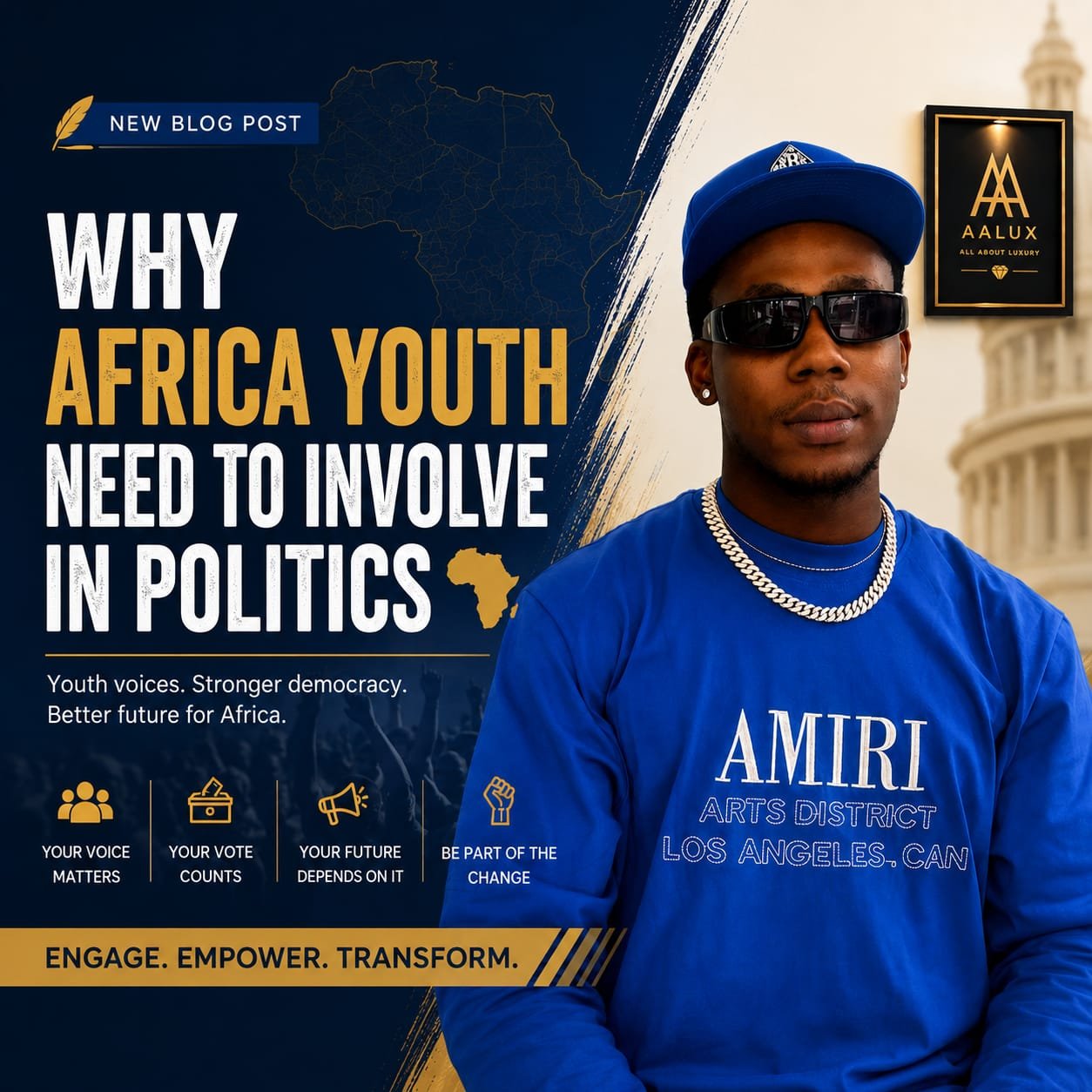
Africa is often described as the continent of the future, and for good reason. With more than 60 percent of its population under the age of 25, young people represent the largest and most dynamic segment of society. Yet despite their numbers, many African youths remain underrepresented in political decision-making processes. This gap raises an important question: Why should African youths become more involved in politics?
The answer is simple: the decisions made today will shape their future tomorrow.
Politics Affects Every Aspect of Life
Many young people view politics as a dirty game reserved for older generations. However, politics influences nearly every aspect of daily life, from education and healthcare to employment opportunities, security, and infrastructure. Government policies determine the quality of schools, the availability of jobs, and the cost of living.
When young people stay away from politics, they leave critical decisions about their future in the hands of others. Active participation ensures that their interests, concerns, and aspirations are represented.
Youths Are the Majority
Across Africa, youths make up the majority of the population. This demographic advantage gives them significant power to influence elections, policies, and governance. If young people unite around common goals and participate actively in political processes, they can shape the direction of their countries.
Their voting power alone can determine electoral outcomes. Beyond voting, youths can engage in political advocacy, community organizing, policy discussions, and leadership roles.
Bringing Fresh Ideas and Innovation
The world is changing rapidly due to technological advancements, globalization, and evolving social needs. Young people are often at the forefront of innovation and digital transformation. Their perspectives can help governments develop modern solutions to contemporary challenges such as unemployment, climate change, cybersecurity, and economic development.
By participating in politics, youths can introduce fresh ideas that improve governance and public service delivery.
Promoting Accountability and Good Governance
Young people have increasingly become voices for transparency and accountability across Africa. Through social media, civic engagement, and grassroots movements, they have exposed corruption, advocated for reforms, and demanded better governance.
Political participation strengthens these efforts. When youths actively engage with elected officials and government institutions, leaders become more accountable to the people they serve.
Creating Opportunities for Future Generations
Youth involvement in politics is not only about present concerns but also about building a better future. Young leaders understand the challenges faced by their peers and are often better positioned to develop policies that address issues such as youth unemployment, entrepreneurship, education, and digital inclusion.
By participating today, young people help create systems and institutions that will benefit future generations.
Strengthening Democracy
A healthy democracy depends on active citizen participation. When young people vote, engage in public debates, join political parties, or run for office, they contribute to stronger democratic institutions.
Political apathy weakens democracy, while active engagement encourages inclusive governance and peaceful political transitions. The more diverse the voices in government, the more representative and responsive it becomes.
Overcoming the Challenges
Many African youths face barriers to political participation, including financial constraints, limited access to political networks, voter suppression, and distrust in political systems. However, these challenges should not discourage involvement.
Young people can begin by:
Registering and voting in elections.
Joining civic and community organizations.
Participating in public discussions and policy forums.
Holding leaders accountable through peaceful advocacy.
Running for local and national leadership positions.
Using digital platforms to educate and mobilize others.
Conclusion
Africa’s future belongs to its youth, but that future cannot be secured through silence or indifference. Political participation is not merely a right; it is a responsibility. By engaging in politics, African youths can influence policies, promote good governance, strengthen democracy, and create opportunities for themselves and future generations.
The continent’s progress depends not only on its leaders but also on the willingness of its young people to step forward, speak up, and take part in shaping the Africa they want to see. The time for youth involvement in politics is now.